
Search South Carolina Police Blotter Records
South Carolina police blotter records show recent arrests and bookings from sheriff's offices across all 46 counties. These public records include booking photos, charges, and arrest details. You can search police blotters online through county jail rosters or request records in person. South Carolina law makes most arrest records available to the public through the Freedom of Information Act.
South Carolina Police Records Quick Facts
What Are South Carolina Police Blotter Records
Police blotter records in South Carolina document arrests made by law enforcement agencies. These records show who was arrested, when the arrest occurred, and what charges were filed. The South Carolina Law Enforcement Division (SLED) maintains the central repository for criminal history information in the state.
Each county sheriff's office keeps its own police blotter and booking records. When someone is arrested in South Carolina, they are typically taken to the county detention center. The booking process creates a record that includes the suspect's name, charges, mugshot, and bond amount. Most counties update their online rosters daily or even every 15 minutes.
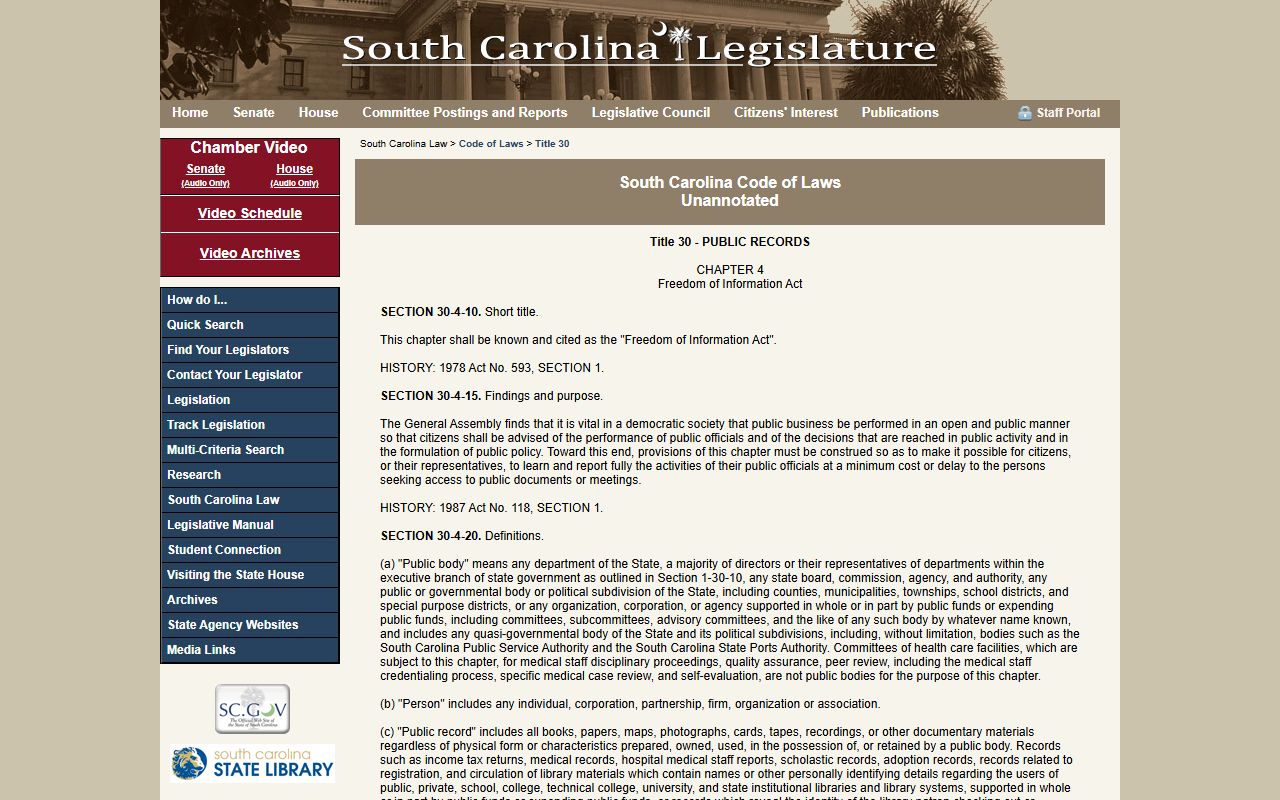
Under South Carolina Code § 30-4-10, the Freedom of Information Act grants citizens the right to access these records. Law enforcement agencies must make arrest records and booking information available upon request. Some details may be redacted if they involve ongoing investigations or juvenile offenders.
How to Search South Carolina Police Blotter Records
Finding police blotter records in South Carolina starts with knowing where to look. Each county maintains its own arrest records. The South Carolina Department of Public Safety (SCDPS) oversees state-level law enforcement activities.
You have several options for searching police blotters. County sheriff's websites often provide online inmate search tools. These databases let you look up current inmates and recent bookings. You can search by name, booking date, or charges. Results typically show the suspect's photo, personal details, and alleged crimes.
If online search is not available, you can call the county detention center directly. Most jails provide a 24-hour phone line for inmate information. You can also visit the sheriff's office in person to request records. Staff can help you find the information you need. Some counties charge small fees for copies of reports.
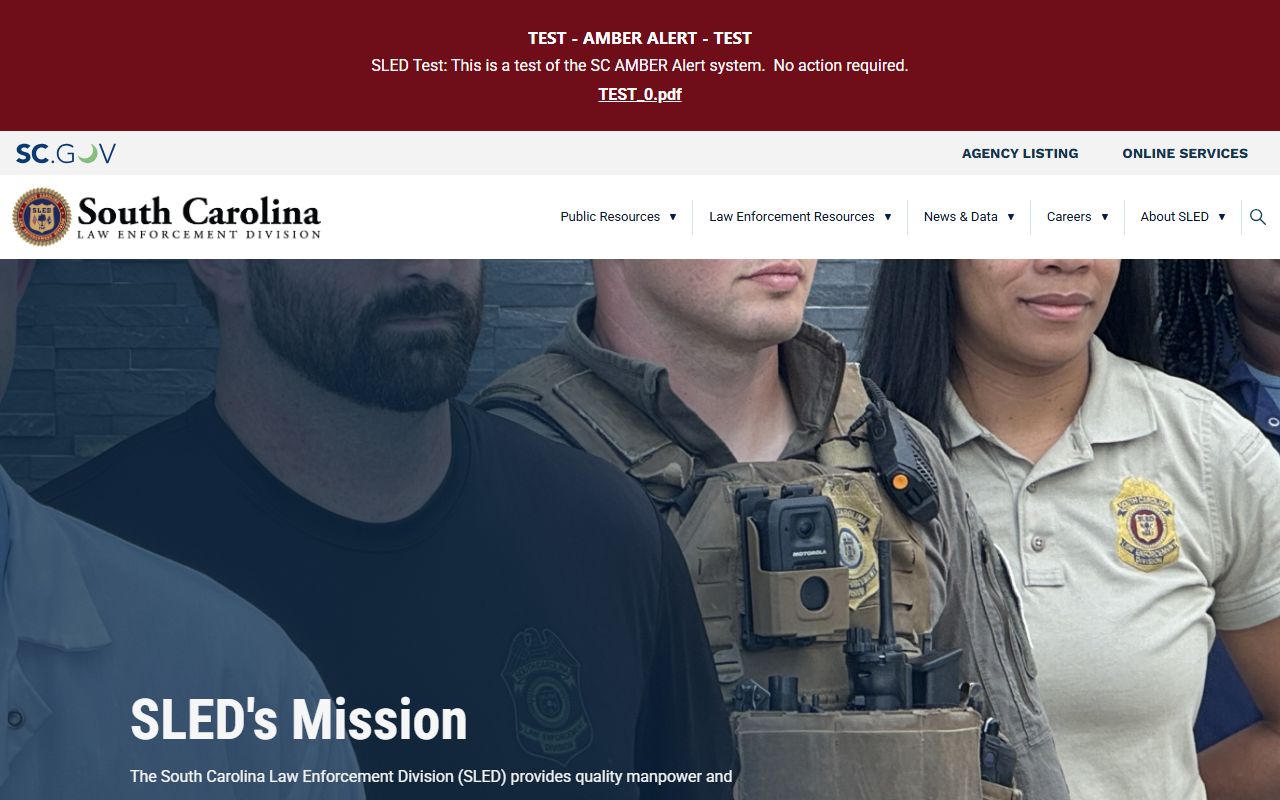
For statewide criminal history checks, use the SLED CATCH system. CATCH stands for Citizens Access to Criminal Histories. This online portal lets you search criminal records from across South Carolina. You will need to create an account and pay a small fee. Results include convictions and arrest information from all counties.
The South Carolina Judicial Branch Public Index provides another way to find arrest information. This system shows court cases related to arrests. You can search by name or case number. The Public Index is free to use. It includes criminal cases from all circuit courts in South Carolina.
Types of Police Records Available in South Carolina
South Carolina law enforcement agencies create several types of records. The police blotter shows recent arrests and bookings. Incident reports document calls for service and investigations. Court records show the outcome of criminal cases. Each type serves a different purpose.
Booking records contain the most detailed arrest information. They include the suspect's full name, date of birth, and physical description. You will see the booking number, arrest date, and charges. Mugshots show the suspect at the time of arrest. Bond information indicates release conditions. Some counties also list the arresting agency and court date.
Police incident reports cover a broader range of events. These records show when officers responded to calls. Reports include the date, time, and location of incidents. They describe what happened and any actions taken. Not all incidents result in arrests. Some reports may be exempt from public release if they involve active investigations.
Court records complete the picture. After an arrest, cases move through the judicial system. The Clerk of Court maintains these files. Records include indictments, plea agreements, and sentencing information. You can access many court records online through the Public Index system.
Statewide Police Blotter Resources in South Carolina
Several state agencies help you find police blotter records across South Carolina. These resources supplement county-level searches. They provide broader access to arrest and criminal history information.
The South Carolina Law Enforcement Division (SLED) serves as the central criminal records repository. SLED collects data from all law enforcement agencies in the state. Their databases include arrest records, warrants, and criminal histories. You can request background checks through their CATCH system.
The South Carolina Highway Patrol (SCHP) maintains records of traffic-related arrests. They handle DUI arrests and serious traffic violations on state highways. You can request collision reports through the South Carolina DMV. These reports document accidents and any resulting citations.
For inmates serving prison sentences, check the South Carolina Department of Corrections (SCDC). Their inmate search tool shows people in state prison. You can search by name or SCDC ID number. Records include photos, offenses, and projected release dates. SCDC also maintains a database of released inmates.
Victim services are available through the South Carolina Victim Assistance Network. This organization helps crime victims understand the criminal justice process. They provide support and information about case status.

VINELink offers nationwide inmate tracking. This service covers South Carolina county jails and state prisons. You can search for inmates and sign up for release notifications. The service is free and available 24 hours a day.
County Police Blotter Records in South Carolina
Each of South Carolina's 46 counties maintains its own arrest records. Sheriff's offices serve as the primary law enforcement agencies in most counties. They operate detention centers and manage booking records.
Large counties like Charleston, Greenville, and Richland offer robust online search tools. Their websites feature real-time inmate rosters. You can search by name, view mugshots, and see current charges. Smaller counties may have simpler systems. Some require phone calls or in-person visits.
When searching county police blotters, start with the sheriff's office website. Look for links to inmate search, booking information, or detention center. If online tools are not available, call the jail directly. Most facilities provide basic information over the phone.
The South Carolina Probation, Parole and Pardon Services handles offenders under community supervision. Their records show people on probation or parole. You can contact them for information about supervision status.
Below are counties with police blotter resources available. Select a county to find local arrest records and booking information.
City Police Department Records
Major cities in South Carolina operate their own police departments. These agencies maintain separate records from county sheriff's offices. City police handle calls within municipal limits. They create incident reports and make arrests.
Cities like Charleston, Columbia, and Greenville have dedicated records divisions. These offices process requests for police reports. You can request incident reports, accident reports, and other documents. Most cities accept requests online, by mail, or in person.
City police blotters often focus on specific neighborhoods. They show calls for service and arrests within city limits. Some cities publish daily crime summaries online. These give residents a snapshot of local police activity.
Your Rights Under South Carolina Public Records Law
The South Carolina Freedom of Information Act protects your right to access police records. This law applies to all public agencies. It includes sheriff's offices, police departments, and detention centers. Agencies must respond to requests within specific timeframes.
Under S.C. Code § 30-4-30, agencies have 10 business days to respond. This applies to records less than 24 months old. Older records may take up to 20 business days. The agency must provide copies or allow inspection. They may charge reasonable fees for search and copying.
Some records are exempt from disclosure. Active investigation files may be withheld. Juvenile records receive special protection. Information that would endanger someone may be redacted. Agencies must explain any denials in writing.
You do not need to give a reason for your request. The law allows anyone to ask for public records. You do not need to be a South Carolina resident. The purpose of your request does not matter. Personal use, journalism, and research are all valid reasons.